Movement for Mental Health
We’re organising a global coalition of organisations working to put movement, sport and physical activity at the heart of mental health policy, funding and practice.
Our goal? That movement is an accessible pathway towards improved mental health for everyone.
THE CASE FOR MOVEMENT
The evidence is stronger than most people think. Most of us know exercise is good for the body. Over the last decade, the research on what it does for the mind has become just as clear:
- Up to 30%:the reduction in risk of depression linked to regular physical activity
- Almost half: in older adults, 30 minutes of moderate activity a day almost halves the odds of experiencing depression
- From 20 minutes a week: any type of daily activity is associated with lower psychological distress, and benefits grow with more activity, up to a point
- Confidence and connection: sport and physical activity build young people’s self-esteem, sense of competence and positive relationships
Higher levels of activity also significantly reduce the risk of developing clinical anxiety and can be highly effective in easing its symptoms.


THE GAP
The science is ahead of the policy.
Promising movement-based mental health initiatives exist around the world, but most are local, and the work is fragmented. Policy and financing haven’t caught up with the evidence, and there’s no shared narrative or coordinated ask for decision-makers.
At the same time, more than one billion people live with a mental health condition, and the vast majority don’t get the care and support they need.
THE COALITION
No single organisation can shift this alone
We have started a coalition of over 30 organisations who have come together around a shared goal. The group includes movement, exercise and sport implementers, sporting and exercise industry organisations, mental health advocacy groups, academics, UN agencies and donors.
We work as a coalition because:
- Fragmentation limits impact. A shared voice is stronger than many separate ones.
- Momentum is building. Governments, institutions, philanthropists, sporting bodies and the public are increasingly open to prevention-focused mental health approaches.
- A coordinated narrative is missing. The field needs shared messaging and a unified ask.
WHAT WE’RE WORKING TOWARDS
1. Global recognition. Movement for mental health becomes a high-profile theme at global sporting events, backed by well-known sports stars, political leaders and sporting brands, and amplified through coordinated public campaigns.
2. Political commitment. Global and national leaders commit to integrating movement and mental health in international processes such as the G20/G7 and the UN General Assembly. Decision-makers learn how to scale inclusive, age-appropriate, evidence-based approaches, and young people’s perspectives shape the solutions.
3. Less stigma. Sport becomes a safe space to talk about mental health. Public figures share lived experience, local initiatives link to global role models, and families and communities are supported through mental health literacy.
Latest Research
Download the ‘Need2Know – Movement and Mental Health‘, guide by the Global Mental Health Action Network and lululemon. It contains the latest research on the link between physical and mental health.
Physical movement
Regular exercise significantly reduces symptoms of depression and anxiety. Moving releases “feel-good” brain chemicals that boost mood and confidence.
Source: World Health Organization (WHO)
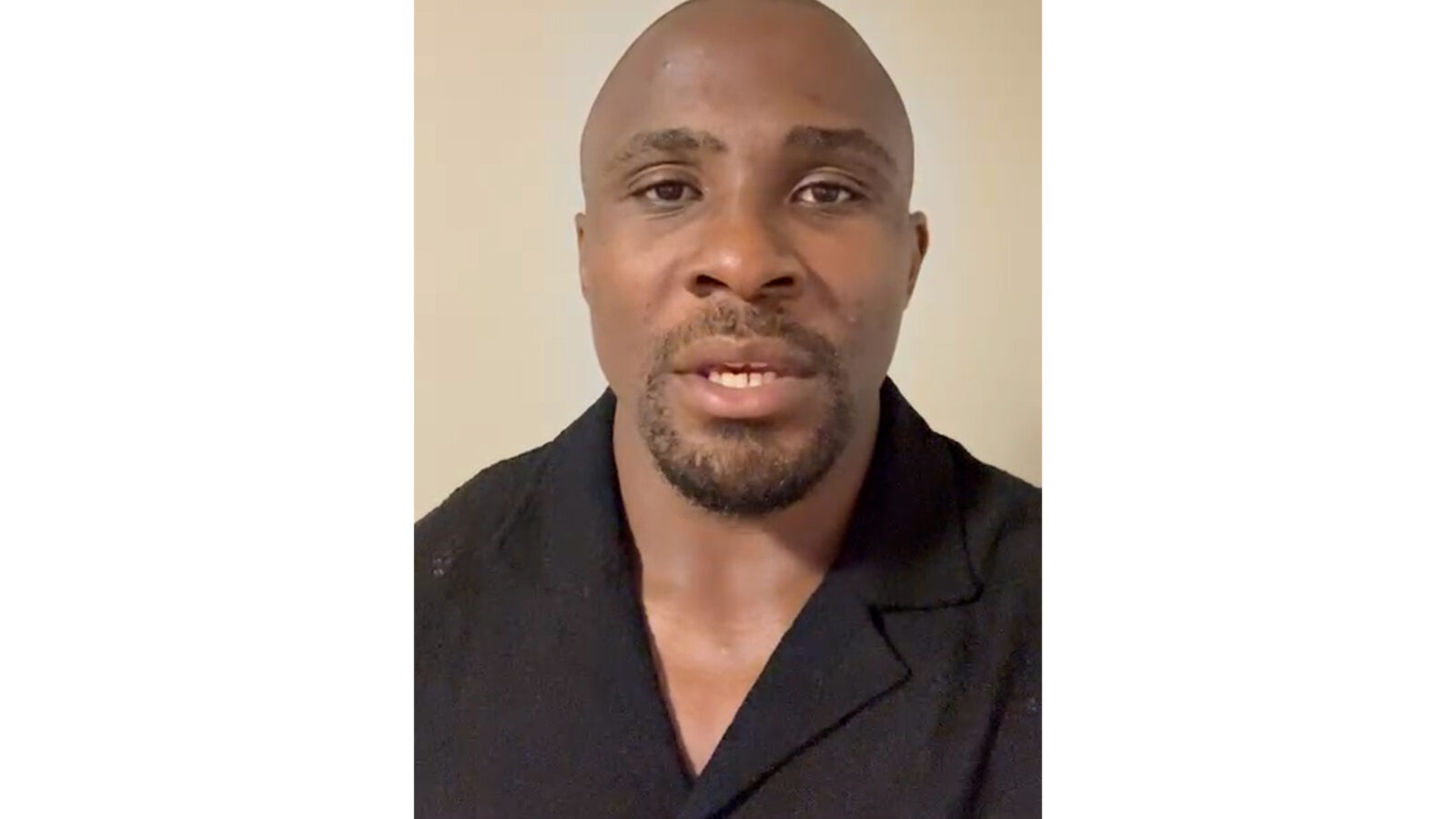
"Movement is beneficial to my state of mind and confidence…:
Siviwe Soyizwapi: Rugby Player for South Africa's Springboks Sevens
For Siviwe, professional rugby player, ‘Move for Mental Health’ is about confidence and rejuvenation. Movement helps him forget the stresses and enjoy the present.
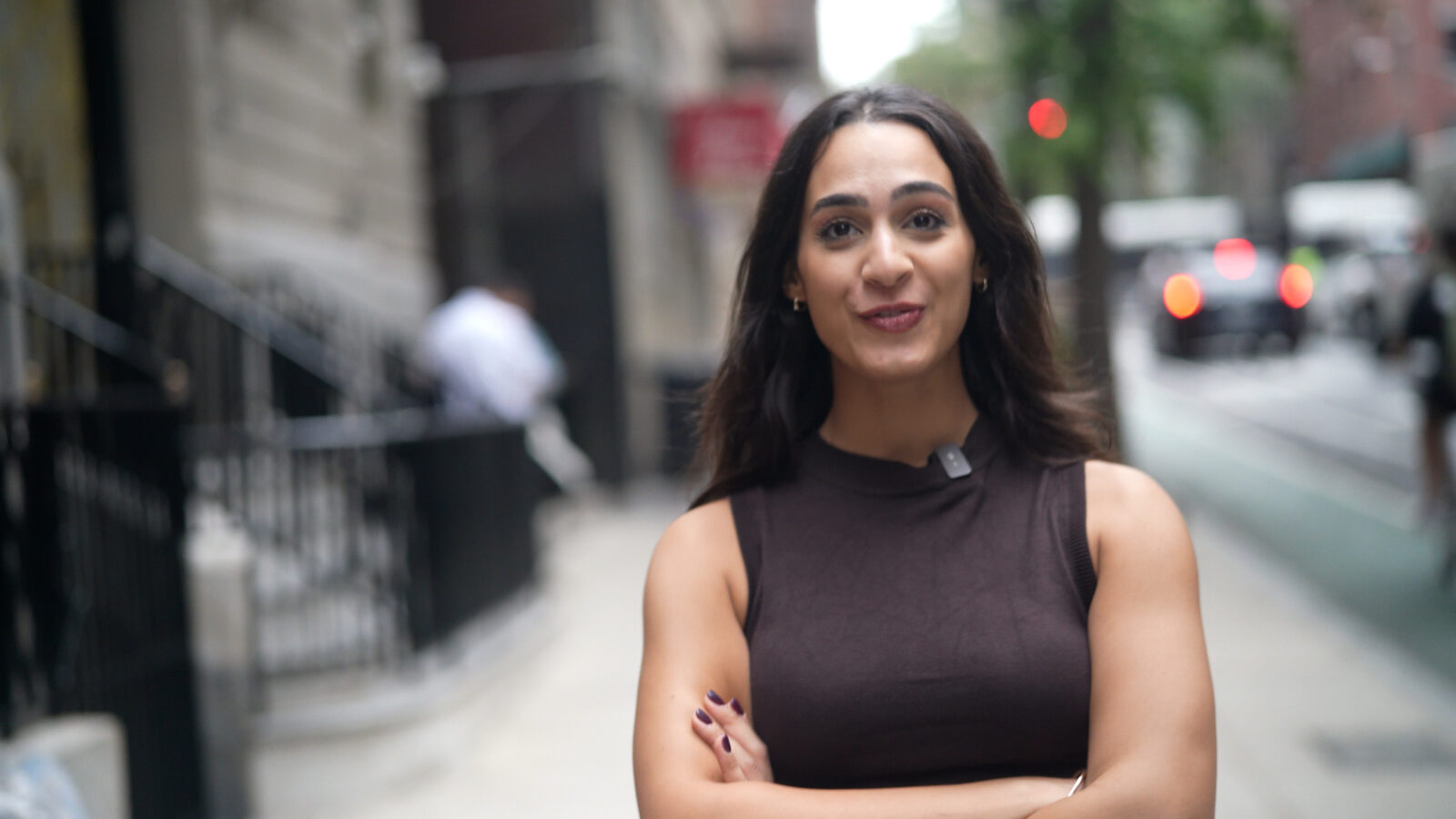
"Movement is so important for our mental health…"
Sasha, Advocate, Lebanon
For Sasha, a member of the Global Mental Health Action Network, movement is about not only dancing, but also the broader mental health advocacy movement.
"The more activity, the better…"
Dave Wheeler, New Balance
Dave Wheeler, Chief Operating Officer of New Balance, told us that Move for Mental Health – to him – means getting young people from behind screens and out moving.
"Movement helps me process the day. It's such a vital part of my life."
Cullen Jones: Professional Swimmer, Olympian, World Record Holder
Cullen Jones, professional swimmer, tells us that Move for Mental Health is about building healthy habits, and getting young people to understand how important physical movement is.
"We're here talking about the links between physical and mental health – and they are very real."
Sarah Kline, CEO of UnitedGMH
Sarah was recently invited to a panel discussion, hosted by the World Federation of Sporting Goods Industry, to discuss how physical and mental health are clearly linked.
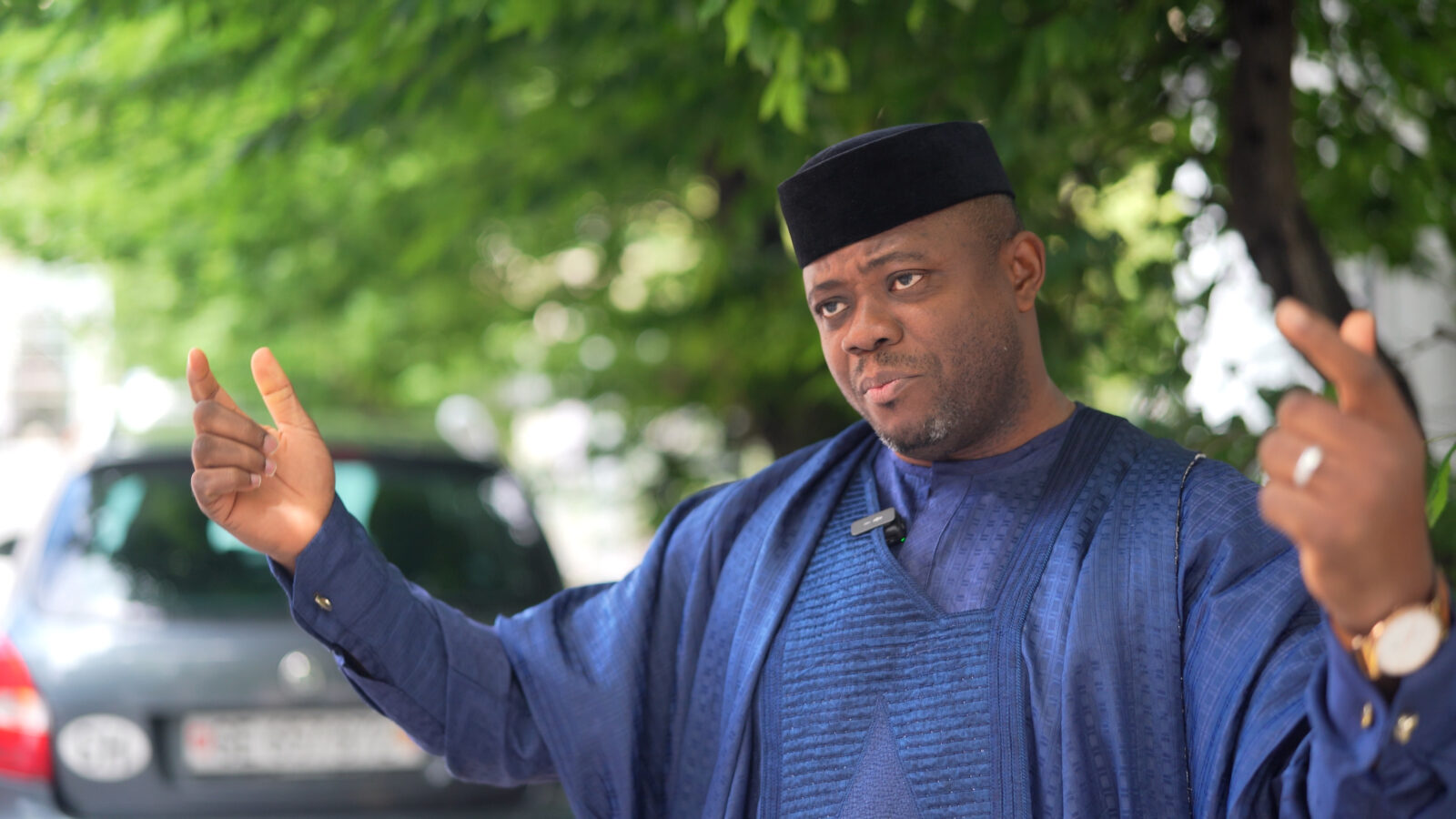
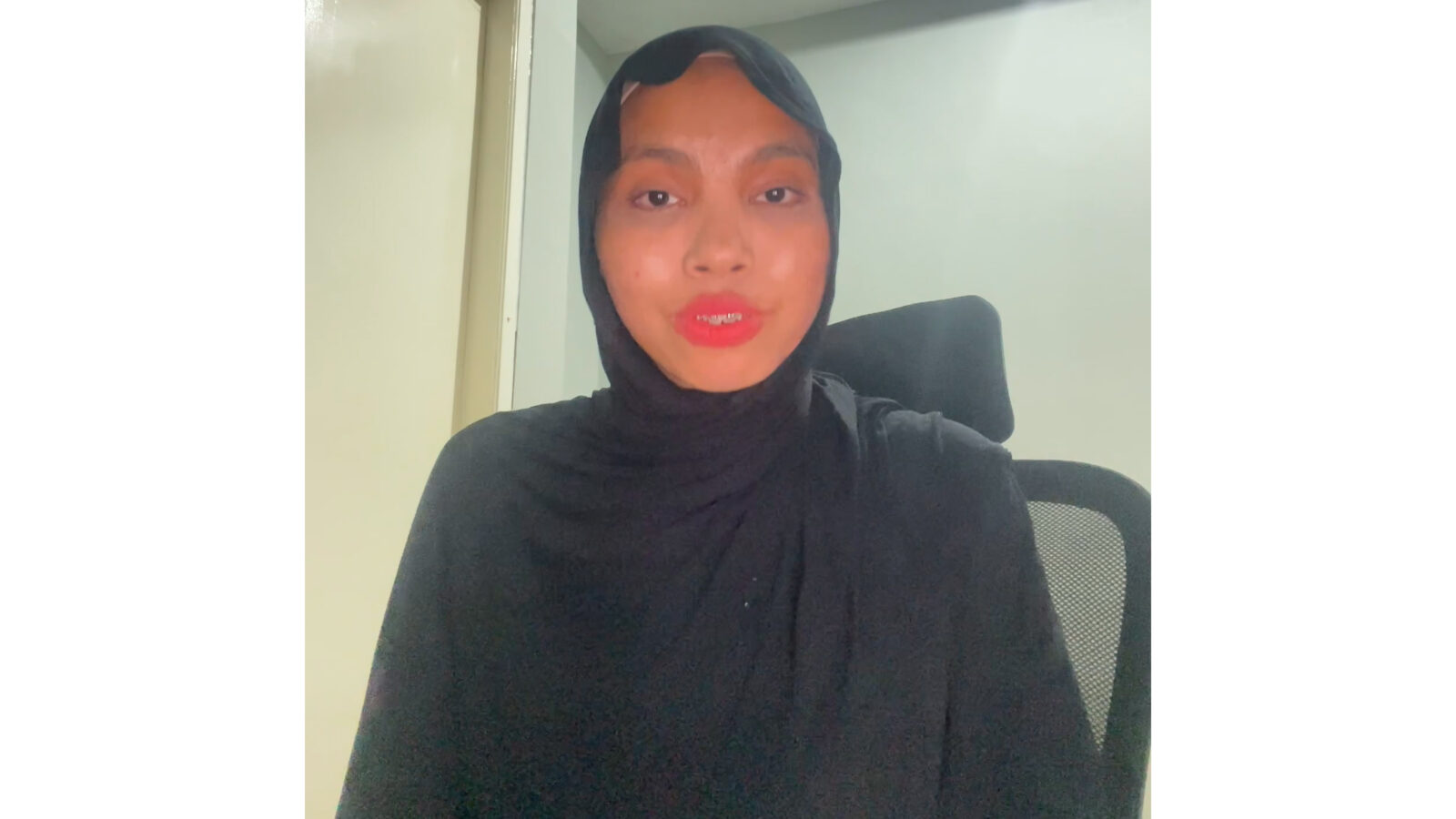
"A move for mental health is a move for wellness…"
Charmaine Nyakonda: Mental Health Specialist, Zimbabwe
Charmaine Nyakonda, from Grassroot Soccer in Zimbabwe, and a member of the Global Mental Health Action Network, tells us that Move for Mental Health is about recognising the importance of investing in fun, play-based, sport-based innovations for adolescent mental health prevention and promotion.
Are you interested in joining the Movement for Mental Health coalition?
If your work touches movement and mental health, we’d like to hear from you.