Financing Africa’s Mental Health Systems Cannot Wait
By
Faith Nassozi Kyateka, Communications Advisor (Policy, Advocacy and Finance)
Momentum is growing to rethink how Africa finances health. I saw this firsthand at the World Health Summit (WHS) Regional Meeting in Nairobi, Kenya, where discussions on reimagining African health systems emphasised greater domestic responsibility for health financing, stronger primary healthcare, and community-based financing. Mental health was firmly part of these conversations, with sessions examining how it can be integrated into primary care, community-led services and innovative financing models.
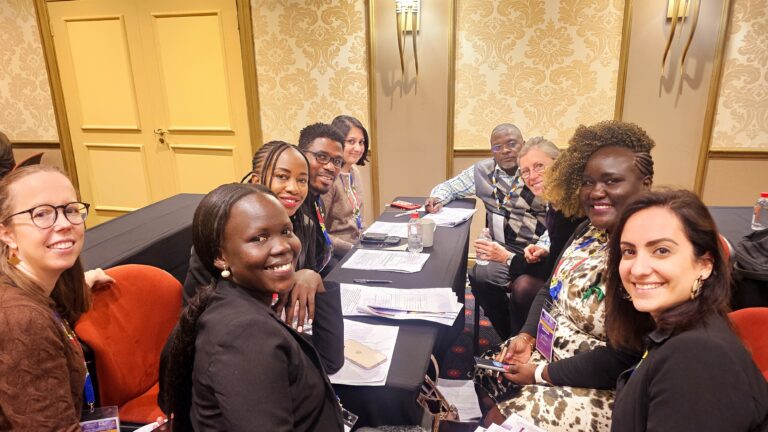
I heard this urgency reinforced at the 2026 WHO African Region mental health intercountry workshop in Johannesburg, South Africa, and similar discussions were held in Lome, Togo. Government representatives, funders, people with lived experience and partners explored practical ways to mobilise domestic resources, develop compelling mental health investment cases and establish dedicated budget lines. The discussions also highlighted the need to direct financing towards expanding the workforce, improving access to medicines, and strengthening services at the primary and community levels.
These discussions reflect the direction set by WHO Africa’s long-term strategic framework, A New Era of Health for Africa: United Action for Vision 2035, shared at the WHS regional meeting. Its emphasis on ownership and sovereignty calls for greater domestic financing and regional control of health data.
The Strategy for financing the future of health in the WHO African Region, 2026–2035, reinforces this direction, calling for greater domestic resource mobilisation, stronger financial protection, and closer alignment of external funding with country-led priorities.
The call for domestic financing for health in the region is not lacking in commitments; we see this in the Lusaka Agenda, the African Union’s Heads of State New Health Order for Africa, and the African Union’s Common Position on NCDs, injuries, and mental health.
Mental health must be embedded within these reforms, not treated as a separate or secondary concern, and where reforms are already tabled, strategic implementation is imperative.
The financing gap remains stark. At least US$200 billion more is needed annually for public mental health financing worldwide, while average government spending has remained at around 2% of health budgets in most low- and middle-income countries. Nearly 150 million people in the African Region live with mental health conditions, yet regional spending averages only US$0.07 per person, compared with US$2.50 globally. The region has just 2.2 mental health workers per 100,000 people, and only 16 of the 47 WHO African Region Member States have a dedicated mental health budget line.
The postponement of the Third International Dialogue on Sustainable Financing for NCDs and Mental Health from September 2026 to February 2027 must therefore not delay action. The additional time should be used to build investment cases, strengthen political support, and secure measurable commitments from governments and development partners.
“The date of a financing dialogue may change, but the needs of millions of people do not. Governments and development partners have an opportunity to make mental health part of wider health-system reform now through sustainable budgets, integrated services and smart investment in community-based care.” James Sale, Interim CEO, United for Global Mental Health
Three priorities should guide the months ahead.
- Financing strategies must be developed to support the transition from institutional to community-based care. In many low- and middle-income countries, more than 80% of public mental health budgets still fund large psychiatric institutions. Reform requires planned investment in rights-based community services, a skilled workforce, and safe pathways out of institutional care.
- Opportunities need to be found for mental health to be included in universal health coverage benefit packages and integrated into primary healthcare. This is essential for prevention, early intervention, and accessible support, particularly for children and young people.
- Financing must become a whole-of-government responsibility. Health ministries cannot close the gap alone. Finance, planning, education, and other ministries must reflect mental health in national development plans and medium-term budgets. Development banks and donors should provide catalytic funding that complements, rather than replaces, sustained domestic investment.
We will carry this message to the Conference on Public Health in Africa in November, advocating for financing that increases resources while also improving how they are allocated. We will also use the World Bank meetings and the Ministerial Summit to advocate for integrating mental health into health systems, human capital, and country investment strategies.
The current pressure on aid budgets makes reform more urgent. As African countries pursue domestic revenue, health taxes, and innovative financing, mental health can be built into new systems from the outset. Decisions taken now will determine whether health reform delivers accessible, integrated and rights-based care or leaves mental health behind once again.