After postpartum haemorrhage, recovery is more than physical
By Erin K. Ferenchick, Senior Consultant, October 5th 2026
Every year, World Postpartum Haemorrhage Day creates an important moment to focus attention on postpartum haemorrhage, the lives it claims, the women who survive it, and the mental health impact that can remain long after the bleeding stops.
For a woman experiencing postpartum haemorrhage (PPH), everything can change in minutes. What should be a moment of joy becomes a life-threatening emergency. Once the bleeding stops, it is tempting to think the crisis has passed. However, what happens next matters too.
PPH remains the leading cause of maternal death worldwide, responsible for an estimated 70,000 deaths each year, with the greatest burden falling on low- and middle-income countries (LMICs). Where access to skilled birth attendants and emergency obstetric care is limited, a survivable complication can become fatal far too often. Even when a woman survives, the story does not end there.
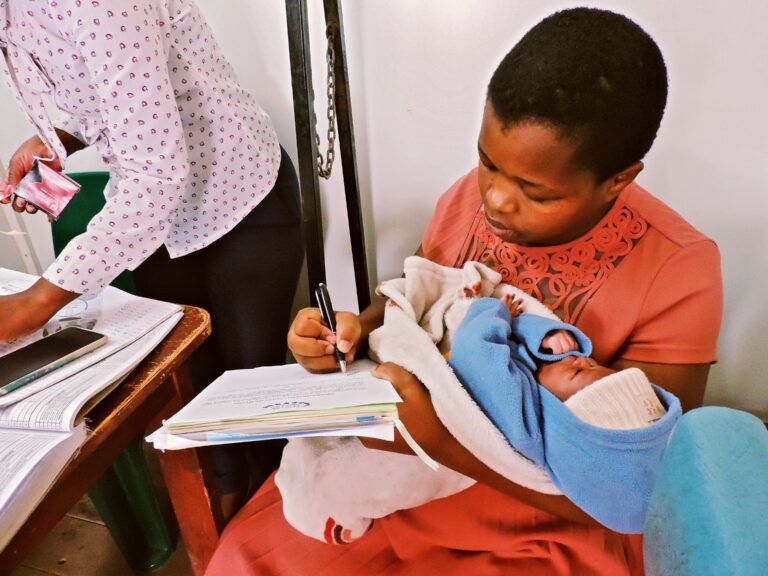
Research following women after severe haemorrhage has found that PPH can be a deeply traumatic experience, with some women experiencing post-traumatic stress symptoms, depression and other mental health conditions in the months that follow. Unfortunately, in the countries where maternal mortality is highest, access to mental health care is often most limited. Across LMICs, WHO estimates that the treatment gap for mental health conditions is greater than 75%, leaving the large majority of affected women without the support they need. These experiences do not simply disappear when physical recovery begins. Maternal mental health needs to be part of the care that follows.
I know something of this personally. After the birth of my daughter, I experienced a delayed postpartum haemorrhage. I received excellent medical care. I was also fortunate that a nurse asked if I needed to talk. That simple question gave me space to process what had happened – the overwhelming experience of coming close to death while bringing a new life into this world. She recognized that I might need additional support and connected me with a mental health provider. That was a critical part of my recovery.
The experience has stayed with me in my own practice as a family doctor. I have seen how much it can matter simply to ask a woman how she is doing, and to notice when she needs more support. Often, the most important first step is making room for her to say what happened, how it felt, and what she needs now.
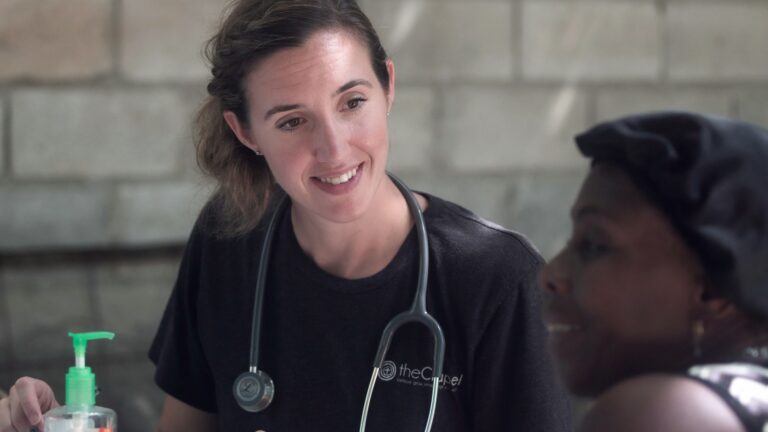
Importantly, care should not depend on having an unusually attentive nurse or a specialist available by chance. Maternal mental health should be integrated into routine antenatal and postnatal care. Obstetricians, family doctors, midwives, nurses, community health workers and other trusted providers can recognize distress, offer first-line support, and connect women to mental health care when needed. Task-sharing approaches in which non-specialist and lay providers deliver structured support under supervision, offer an opportunity to reach more women. WHO’s Thinking Healthyprogramme is one example.
This is also why the newly launched Maternal Mental Health Working Group within the Global Mental Health Action Network (GMHAN) is important. The Working Group brings together advocates, policymakers, practitioners, researchers, development partners and people with lived experience to advance collective action for maternal mental health. Interested participants can join here. It provides a space to share country experience, elevate lived-experience leadership, develop advocacy resources and build connections across maternal health, mental health and primary healthcare. If we want maternal mental health to become part of routine care, we need not only evidence and services, but collective advocacy for the policies, financing and health-system changes that make this possible.
On World PPH Day, we should remember that saving a woman’s life is essential. But survival is not the end of her story. Women who survive PPH also deserve care that recognizes what they have experienced, supports their mental health and helps them recover.